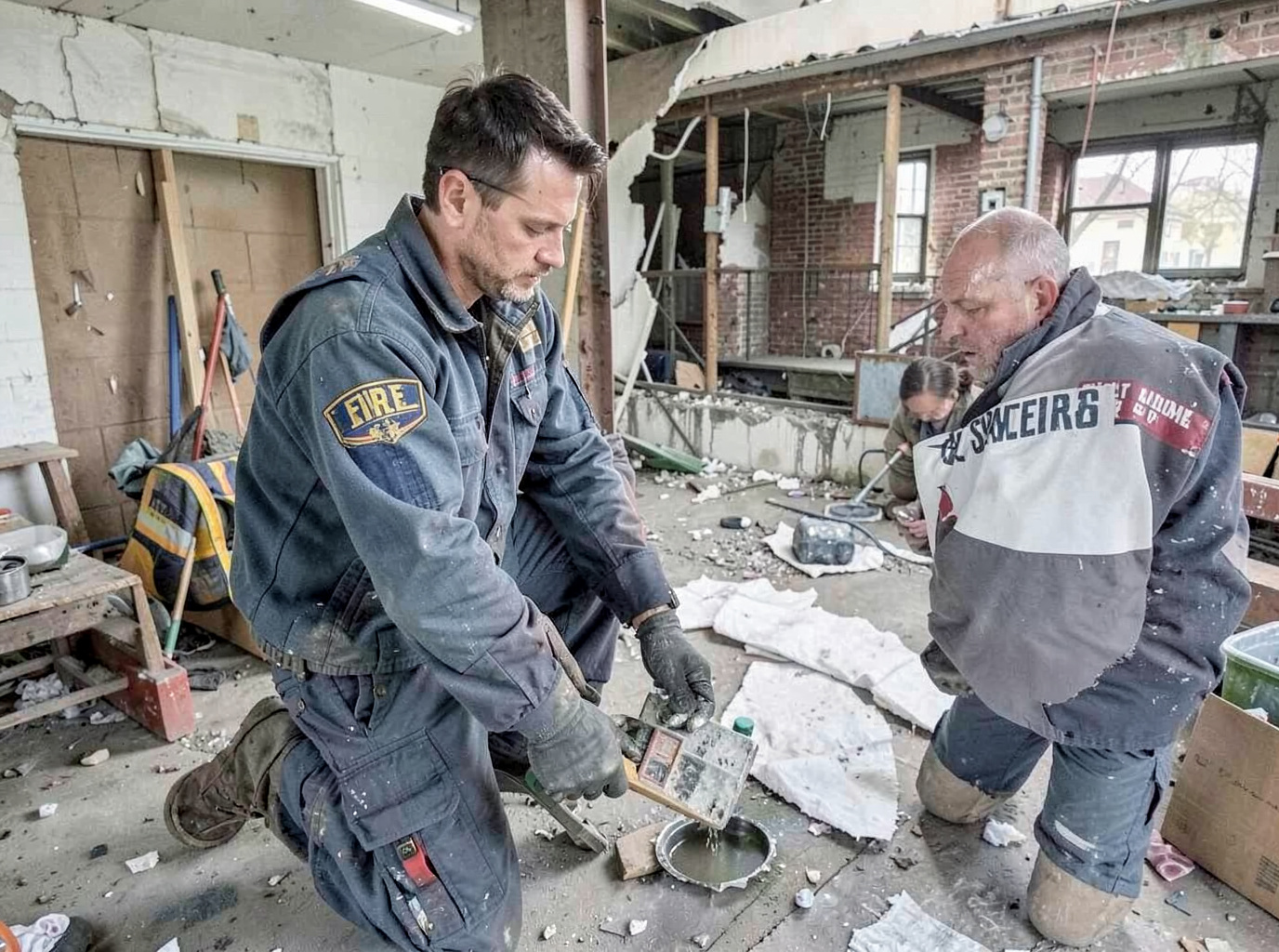
St. Petersburg's older housing stock, especially the 1920s–1950s bungalows and frame homes in neighborhoods like Kenwood, Old Northeast, and Historic Roser Park, creates distinct challenges during fire restoration. Balloon framing and plaster-over-lath walls allow fire and smoke to travel vertically and into hidden cavities, requiring wall and ceiling openings that extend beyond visible char. The area's high humidity accelerates corrosion on metal fixtures and wiring once smoke residues settle, so crews must neutralize acids within hours rather than days to prevent secondary damage.
Pinellas County building practices and coastal exposure add further variables. Salt-laden air near the bay and in areas like Snell Isle or downtown waterfront properties speeds oxidation on HVAC components and copper piping after a fire. Restoration teams coordinate with local permitting requirements when structural members are compromised, and they often stage equipment at the property because narrow lots and mature landscaping limit truck access. Work frequently overlaps with mold concerns once humidity re-enters the structure post-suppression.
Contents handling differs from inland markets because many St. Petersburg residences contain vintage furniture, artwork, and documents sensitive to both smoke and moisture. On-site ozone and hydroxyl treatments are calibrated lower to avoid damaging finishes common in mid-century homes. Final clearance testing includes both visual inspection and air sampling to satisfy insurance adjusters familiar with Florida claims.
Technician insight
In St. Petersburg the thing that catches most people out with fire damage restoration is how quickly smoke residues start corroding metal and wiring once our humid air mixes with the soot. Older balloon-framed homes in Kenwood and Old Northeast let smoke travel into wall cavities that never fully dry without targeted drying, so what looks like a small kitchen fire can turn into hidden mold within a week if crews skip the dehumidification step.
Kitchen Fire in 1940s Kenwood Bungalow
Smoke from a stove fire traveled through open wall cavities into the attic of a 1940s frame home. Crews opened multiple plaster sections, removed acidic soot from ducts and framing, then ran targeted drying before humidity could trigger mold. The structure was cleared for rebuild within nine days.
Fire Damage Restoration Services We Offer
✓Soot and Smoke Removal
Removes acidic soot from surfaces and HVAC systems in St. Petersburg homes before humidity causes permanent etching on wood, metal, and plaster.
✓Structural Fire Cleanup
Cleans and stabilizes charred framing, drywall, and insulation in older Pinellas County properties while documenting damage for insurance.
✓Smoke Odor Elimination
Neutralizes embedded smoke odors using thermal fogging and air scrubbing suited to the humid climate that traps odors in porous materials.
✓Contents Cleaning and Restoration
Cleans, deodorizes, and packs out furniture, clothing, and documents from fire-affected homes in neighborhoods like Kenwood and Downtown St. Pete.
✓Emergency Board Up and Tarping
Secures openings and roofs immediately after fire department departure to protect St. Petersburg properties from afternoon storms and humidity.
Fire Damage Restoration Cost in St. Petersburg, FL
| Service | Typical Range | What Affects It |
|---|---|---|
| Initial Assessment And Securing | $250–$600 | Varies with property access and need for emergency tarping in storm season. |
| Soot And Smoke Removal | $1,800–$4,500 | Higher when HVAC systems or multiple rooms in 1920s–1950s homes are involved. |
| Odor Elimination Treatment | $800–$2,200 | Depends on material porosity and length of smoke exposure. |
| Contents Cleaning | $1,200–$3,000 | Based on volume and whether items require off-site processing. |
Ranges are typical for St. Petersburg, FL and confirmed with an exact written quote before any work starts.
How it works
- 1
Emergency Assessment
Technician arrives within hours, documents the scene, and identifies hidden smoke paths common in St. Petersburg's older frame construction.
- 2
Containment And Safety
Sets up barriers and negative air to prevent soot spread while checking for structural concerns in balloon-framed walls.
- 3
Soot And Residue Removal
Applies specialized cleaners to surfaces and HVAC ducts before coastal humidity sets residues permanently.
- 4
Odor Treatment And Drying
Uses fogging and dehumidification calibrated for Pinellas County's climate, followed by clearance testing.
- 5
Rebuild Coordination
Works with licensed contractors to restore affected areas while meeting local permitting requirements.
Pricing
Project pricing depends on fire size, affected square footage, and whether hidden cavities in older homes require additional demolition.