2026-10-10 · Tom Henderson
How to Handle Flooding After Tropical Storms in St. Petersburg
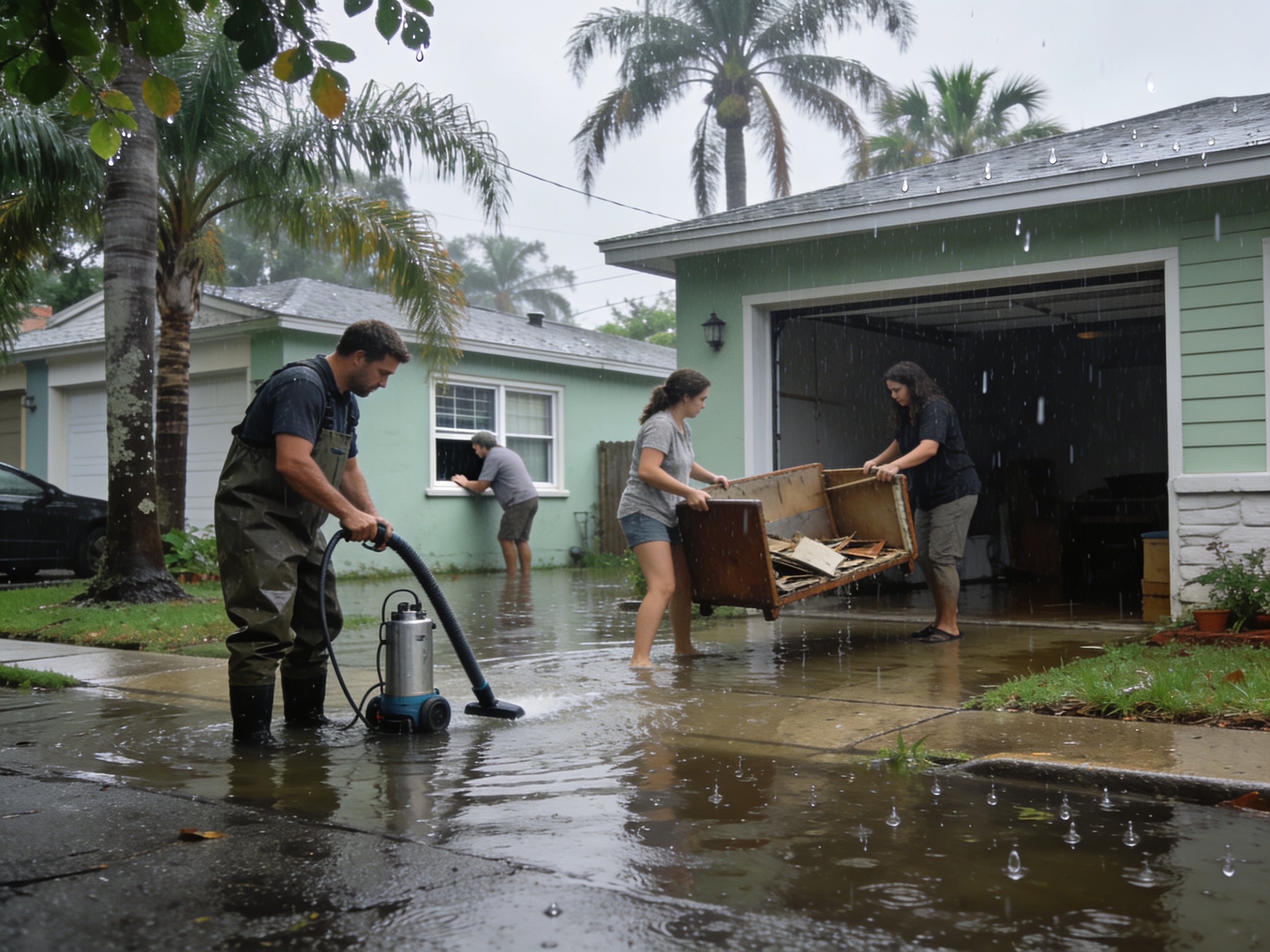
After a tropical storm passes through St. Petersburg, prioritize safety by turning off electricity at the main panel if water has reached outlets, then contact a restoration team for emergency water extraction before mold sets in within 24-48 hours.
Assessing Flood Impact on Local Housing Stock
St. Petersburg homes built before 1970 in neighborhoods such as Old Northeast and Kenwood often sit on slab foundations or crawl spaces that trap water after heavy rains from tropical systems. Pinellas County terrain near the bay allows storm surge and runoff to enter these structures quickly, saturating drywall, subfloors, and insulation. Homeowners should document visible water lines with photos and note any odors indicating sewage intrusion from overwhelmed municipal lines. Checking attics for roof leaks caused by wind-driven rain helps identify hidden moisture that later fuels mold in the area's year-round humidity.
Immediate Safety and Containment Measures
Avoid entering flooded rooms until power is confirmed off and structural stability is verified, especially in Snell Isle or Downtown St. Petersburg properties where older wiring can create shock hazards. Wear rubber boots and gloves while removing soaked rugs and furniture to higher ground. Block doorways with sandbags or plastic sheeting to stop additional water from entering during follow-up storms. These steps reduce cross-contamination between rooms and limit the volume that must be extracted later.
Professional Water Extraction and Drying
Technicians use truck-mounted pumps and air movers to pull standing water from carpets and hardwood within hours, followed by dehumidifiers running at 50-60% relative humidity targets. In Tyrone and surrounding areas, where concrete slab homes retain moisture longer, moisture meters track drying progress over several days. Homeowners can support this by running ceiling fans on unaffected floors and keeping windows closed during high outdoor humidity. Emergency water extraction teams track hidden moisture behind baseboards that DIY fans often miss.
Mold Prevention After Storm Flooding
Pinellas County humidity above 70% allows mold colonies to appear on damp drywall within 48 hours, particularly in Shore Acres homes with limited airflow. Remove and discard porous materials like carpet padding and insulation that cannot be fully dried. Run dehumidifiers continuously and monitor surfaces for dark spots or musty smells. Spotting early mold growth in humid Pinellas County homes outlines visual checks that catch issues before remediation expands.
When to Arrange Full Flood Cleanup
If water depth exceeds six inches or sewage is present, professional flood cleanup is required to handle disposal and antimicrobial treatment. Teams also address contents like books and electronics that absorb moisture and later cause odors. Factors that influence water damage restoration costs in St. Petersburg help owners understand variables such as affected square footage and drying time. National Flood & Fire Cleanup remains open 24/7 to respond when storms hit without notice.